
Together by Vivek H. Murthy, MD
Some books help you learn English and learn something important about life at the same time. This one is calm, clear, and human. It talks about loneliness, connection, and what it really means to feel supported. If you read it slowly and take small notes, you can build both language skills and emotional clarity. With Linguapress app, it’s also easy to save useful words and review them later.
About the Book
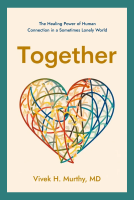 Title: Together: The Healing Power of Human Connection in a Sometimes Lonely World
Author: Vivek H. Murthy, MD
Genre: Health & Wellness / Psychology
Year of Publication: 2020
Pages: 304
Summary: What the Book Is About
The book explains that loneliness is not only a feeling. It can change how we think, how we act, and even how healthy we are. The author shares stories from real people and explains why modern life can make us feel disconnected. He also shows small ways to rebuild connection: stronger friendships, kinder communities, and better conversations. The main message is simple: connection is not “extra.” It is a basic human need, like sleep and safety.
“Loneliness is more than a bad feeling.”
English Level
-
CEFR level: B2
-
Learners preparing for: IELTS 6.5 (or a similar score on TOEFL or another international exam)
Why B2? The writing is readable, but it includes health terms, social science language, and longer sentences. If you are B1, you can still read it—just go slower and choose shorter parts each day.
Why this book is helpful for English learners
This is nonfiction, but it does not feel cold or academic. You get real stories, clear ideas, and repeated words around emotions, relationships, and community. That makes it great for learning English you can actually use in daily life.
Language skills you can build
-
Reading: long nonfiction chapters with stories + explanations
-
Vocabulary: emotions, mental health basics, relationships, society
-
Idioms & common phrases: “reach out,” “feel seen,” “show up,” “drift apart”
-
Grammar in context: contrast and cause/effect (because, however, while, therefore)
Estimated unique word count: ~8,000–12,000 (approximate)
Vocabulary themes you will see many times
-
connection, belonging, community
-
trust, empathy, compassion
-
isolation, stress, anxiety
-
purpose, meaning, service
-
habits, routines, attention
If you want a simple learning plan, collect words that feel useful in real conversations, then review them weekly in Linguapress app.
How to read Together by Vivek H. Murthy, MD as an English learner
You don’t need to read fast. This book works better when you read slowly and reflect. Here are three simple ways to learn English with it.
1) Read in “story + idea” pairs
Many parts follow a pattern: first a story, then an explanation. Use that structure:
-
Read the story part first (focus on the situation and emotions)
-
Read the idea part second (focus on the key message)
-
Write one sentence: “The point is…”
2) Turn each chapter into a speaking exercise
After a section, practice speaking for 30–60 seconds. Keep it simple:
-
What happened in the story?
-
What problem did it show?
-
What solution did the author suggest?
This is great training for spoken English because you reuse the same useful structures again and again.
3) Use a “tiny notes” method (no long summaries)
Long summaries are tiring. Try short notes instead:
-
3 key words
-
1 key sentence you liked
-
1 personal example from your life in the US (work, school, neighbors, family)
Then save the key words in Linguapress app and review them later.
Table: reading plan that fits busy schedules
| Your time per day | What to read | What to write | What to review |
|---|---|---|---|
| 10 minutes | 2–4 pages | 1 sentence summary | 5 new words |
| 20 minutes | 5–8 pages | 2 key ideas | 8–10 new words |
| 30 minutes | 10–12 pages | 1 short voice note (60 sec) | 10–12 words + 2 phrases |
User Reviews
⭐⭐⭐⭐⭐ “It’s easy to follow and very human. I learned useful words for feelings and relationships, not only ‘book English.’”
⭐⭐⭐⭐ “Some parts are slow, but the message stays with you. I started calling friends more often after reading a few chapters.”
⭐⭐⭐⭐ “Great for B2 readers. The stories helped me understand the ideas without checking the dictionary every minute.”
Average Rating: 4.3 / 5
Did You Know?
- The author is a physician who became widely known in the US for speaking about public health and human connection.
- The book focuses on loneliness as a serious public health issue, not just a private personal problem.
- Many readers say the book feels like a mix of research, personal stories, and practical actions—so it reads more like a conversation than a textbook.
Similar Books You Might Enjoy
If you like the theme (connection, belonging, and healthier relationships), these books often feel like a good next step:
-
Loneliness — John T. Cacioppo & William Patrick
-
Bowling Alone — Robert D. Putnam
-
The Art of Gathering — Priya Parker
❓ FAQ
Is this book more about science or personal stories?
It uses both. You’ll see real stories first, then explanations. If you like learning through examples, the structure is friendly.
What if I feel emotional while reading it?
That’s normal. The topic is personal for many people. Read in small blocks, take breaks, and write one calm takeaway instead of pushing too hard.
Can this book help me in real conversations in the US?
Yes. It gives you language for polite, honest talk: how to check in, how to support someone, and how to express needs without drama.
Should I read it alone or with a reading partner?
Both work. Alone is reflective. With a partner, it becomes speaking practice: you can discuss one idea per week and learn faster.
What’s the best way to remember new words from this book?
Use a repeat system: pick 10 words per week, make one sentence for each, and review them every few days. Keep the list small so you don’t quit.